
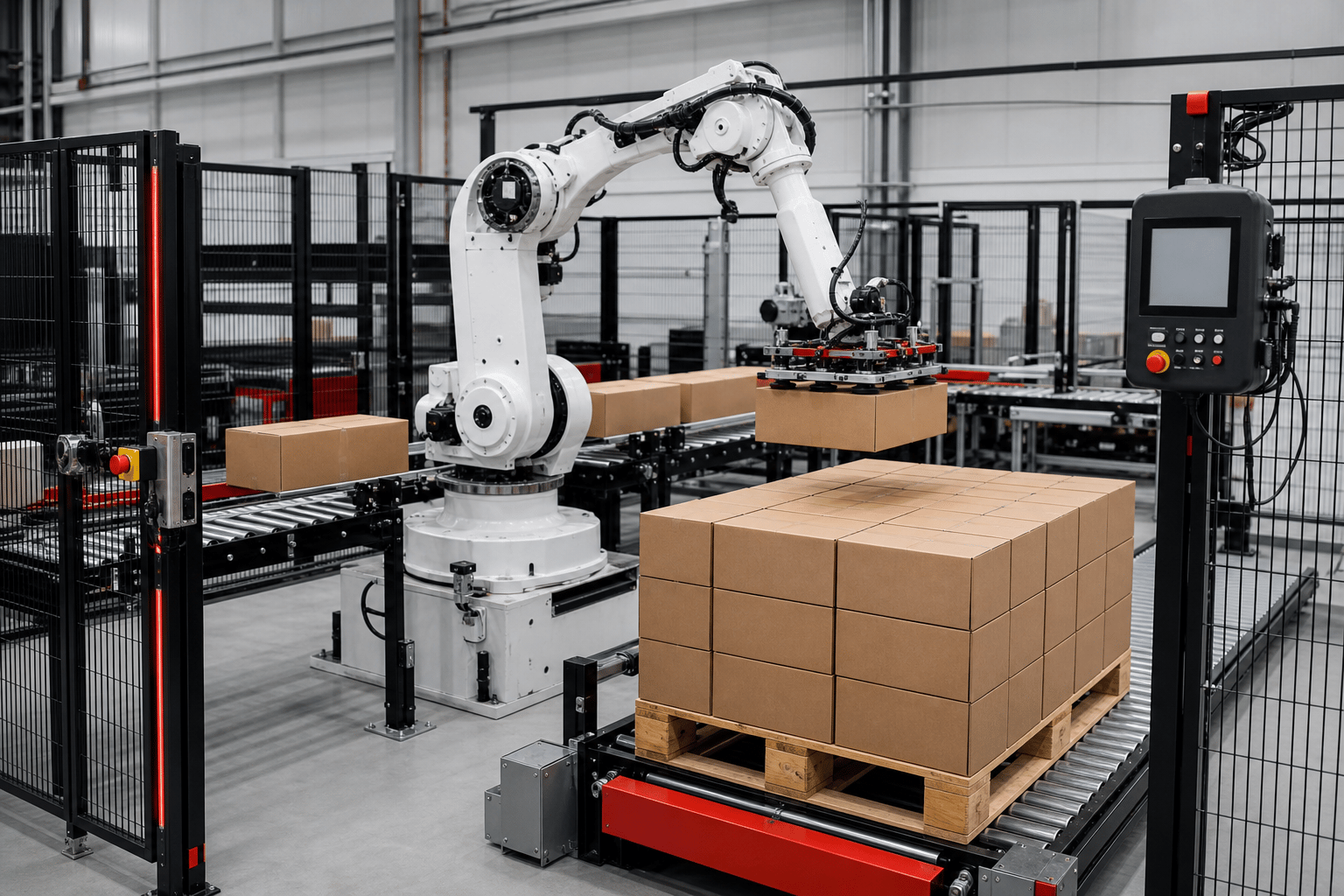
Palletizing
We configure stable robotic palletizing systems around package dimensions, load condition, stacking patterns and target cycle time.
- Pattern and cycle review
- Gripper and conveyor integration
SOLUTIONS
We integrate robots, vision, control and peripheral equipment around production goals and site conditions.
Robot Automation
We integrate industrial robots and peripheral equipment to automate repetitive work and production processes.
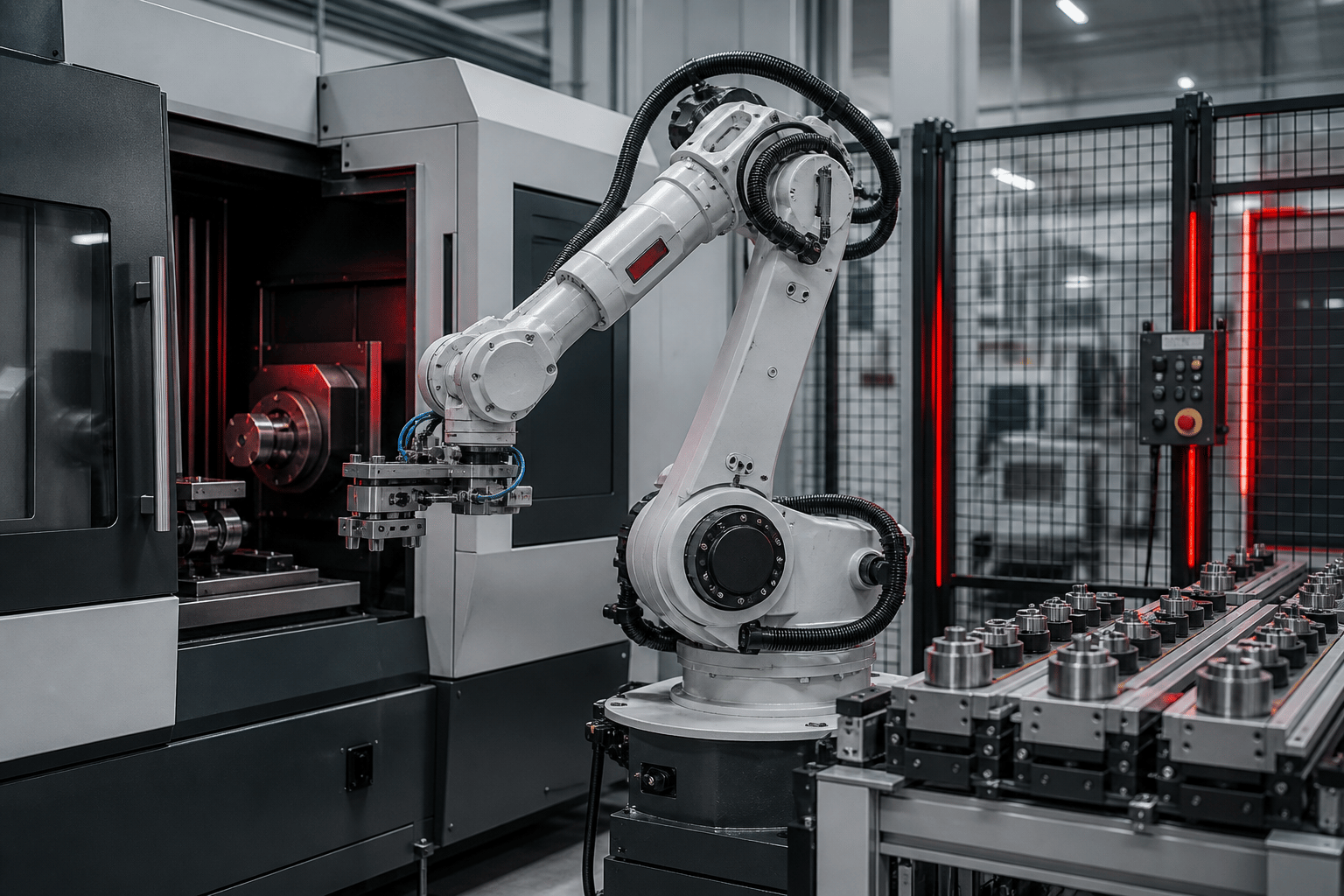
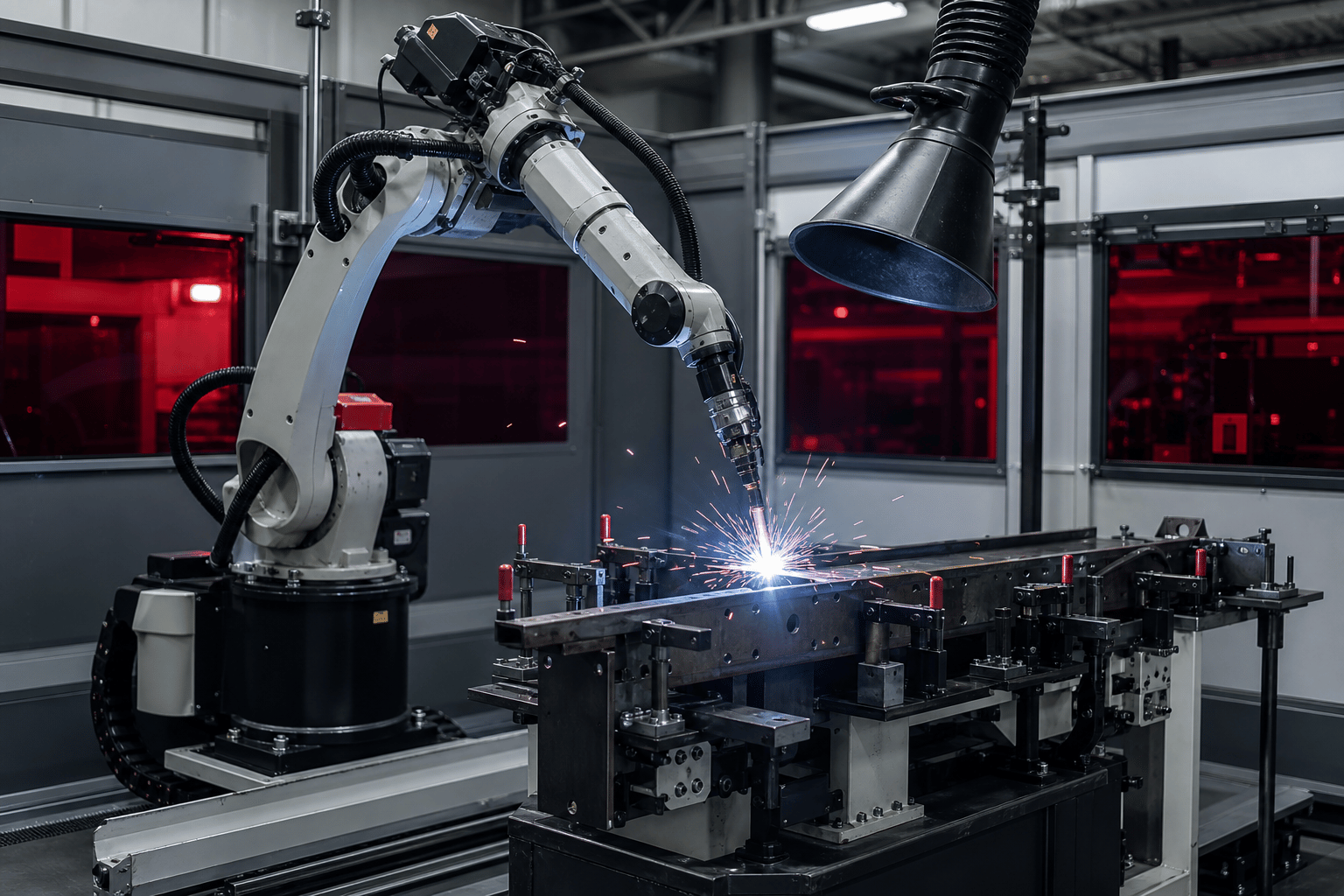
Process Automation
We build robot-based systems for welding, cutting, beveling, grinding and polishing processes.
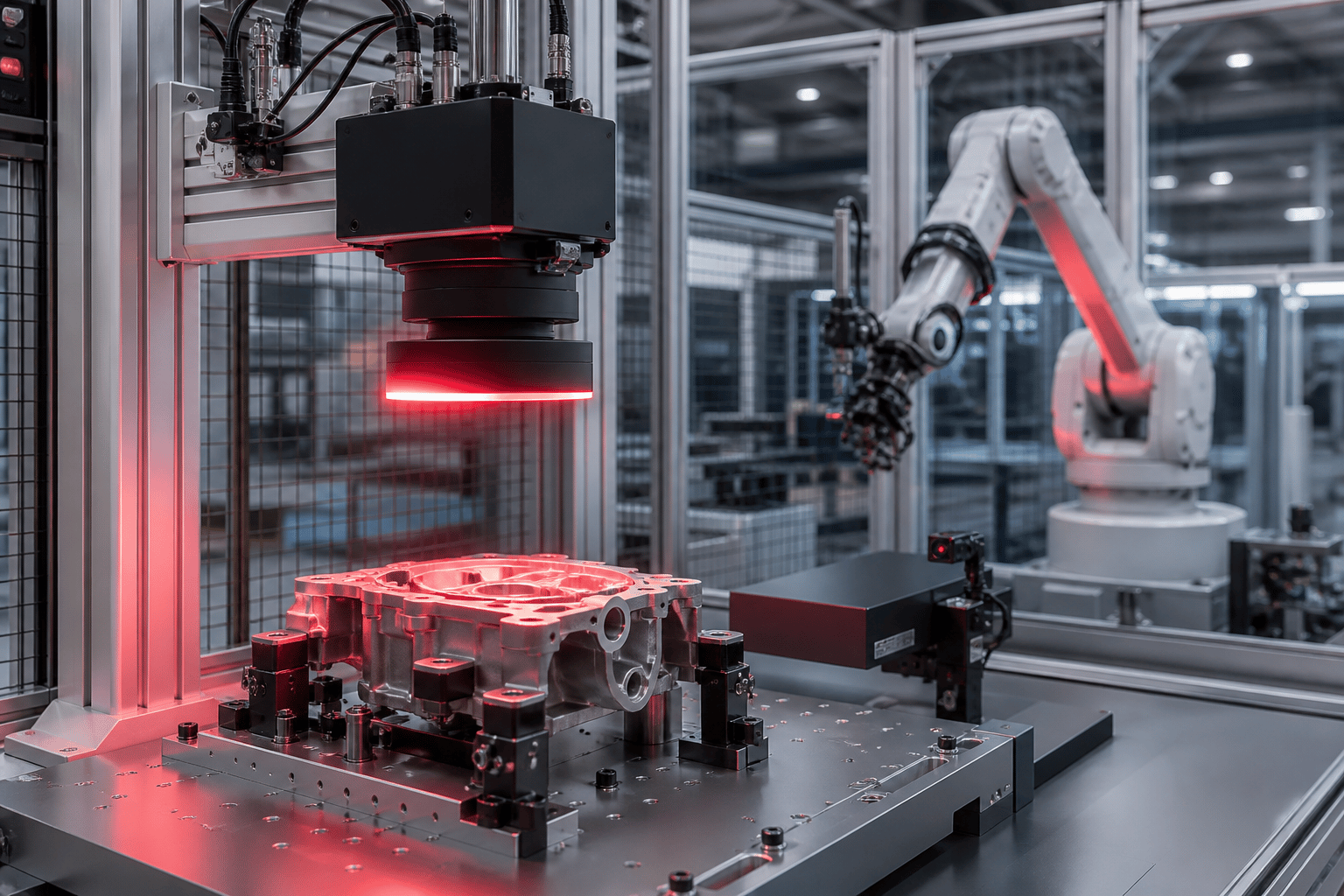
Vision & Inspection
We connect 2D·3D vision and measurement technologies with robots and production equipment.
Control & Smart Factory
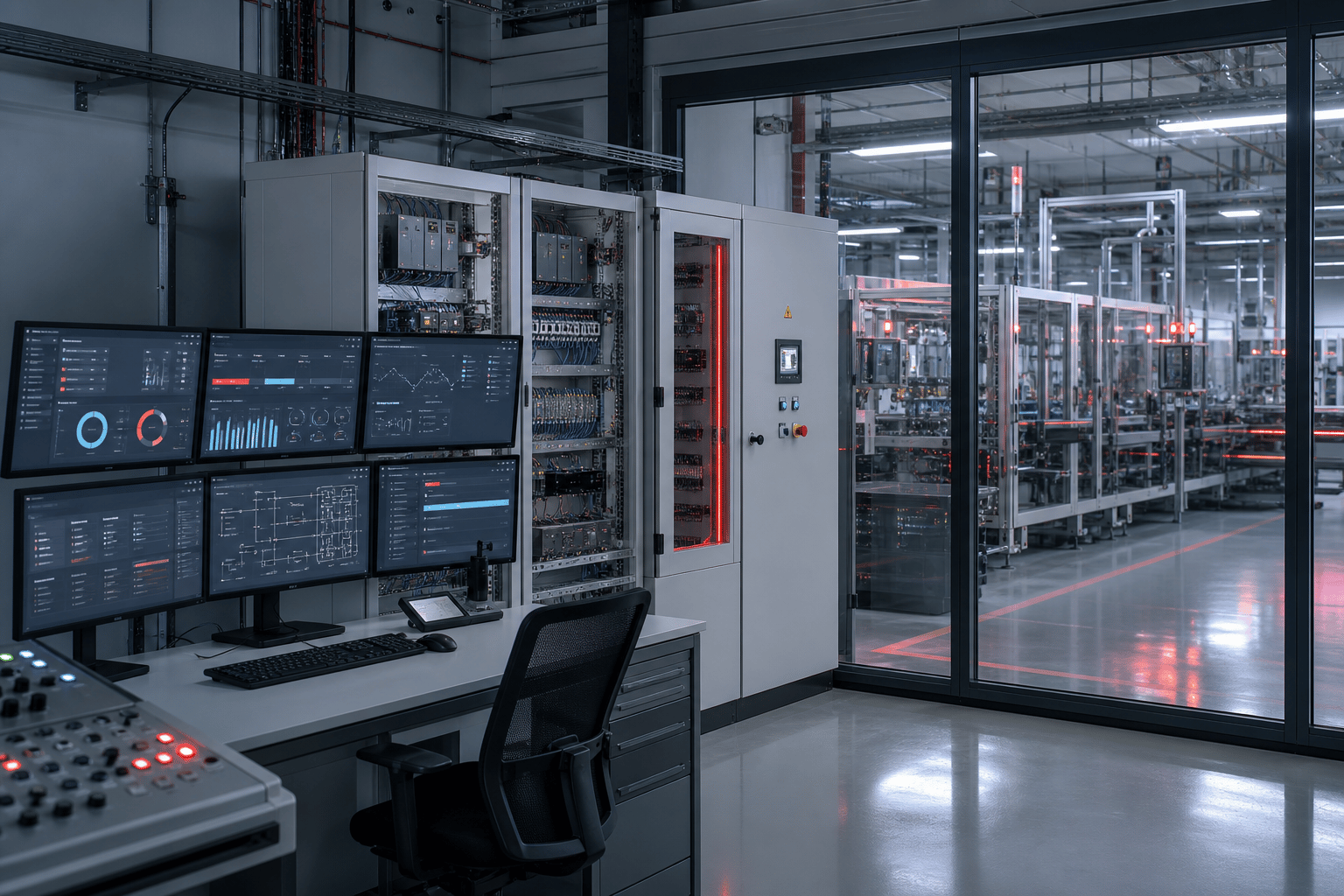
We connect PLC, motion, HMI and production data to integrate equipment operation and monitoring.
APPLICATION SOLUTIONS
Each solution begins with the production target and process condition. Robotics, vision, control and peripheral equipment are then selected and integrated as one working system.
We configure stable robotic palletizing systems around package dimensions, load condition, stacking patterns and target cycle time.
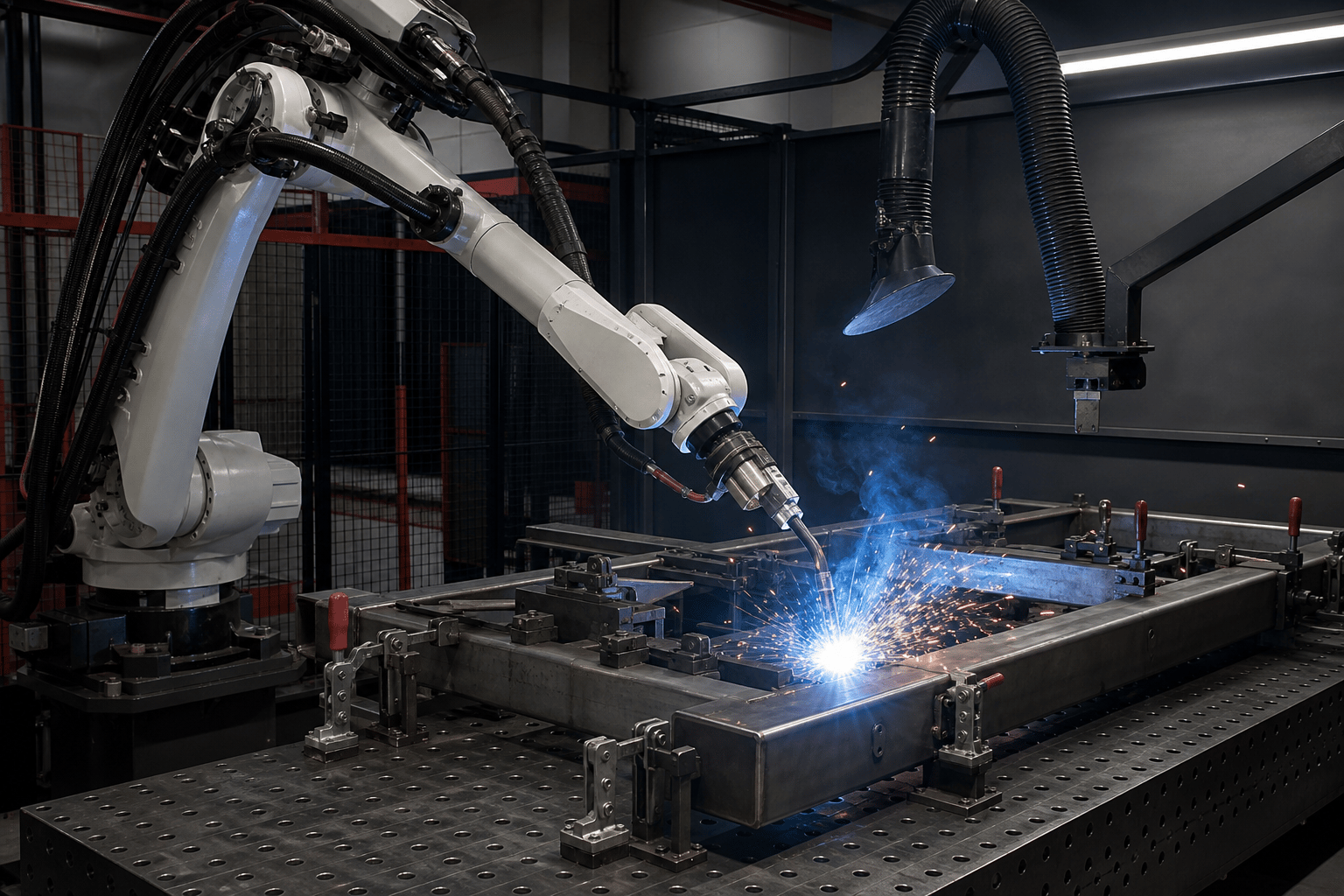
Robot paths, welding conditions, positioners and safety equipment are integrated around weld position, material and joint geometry.
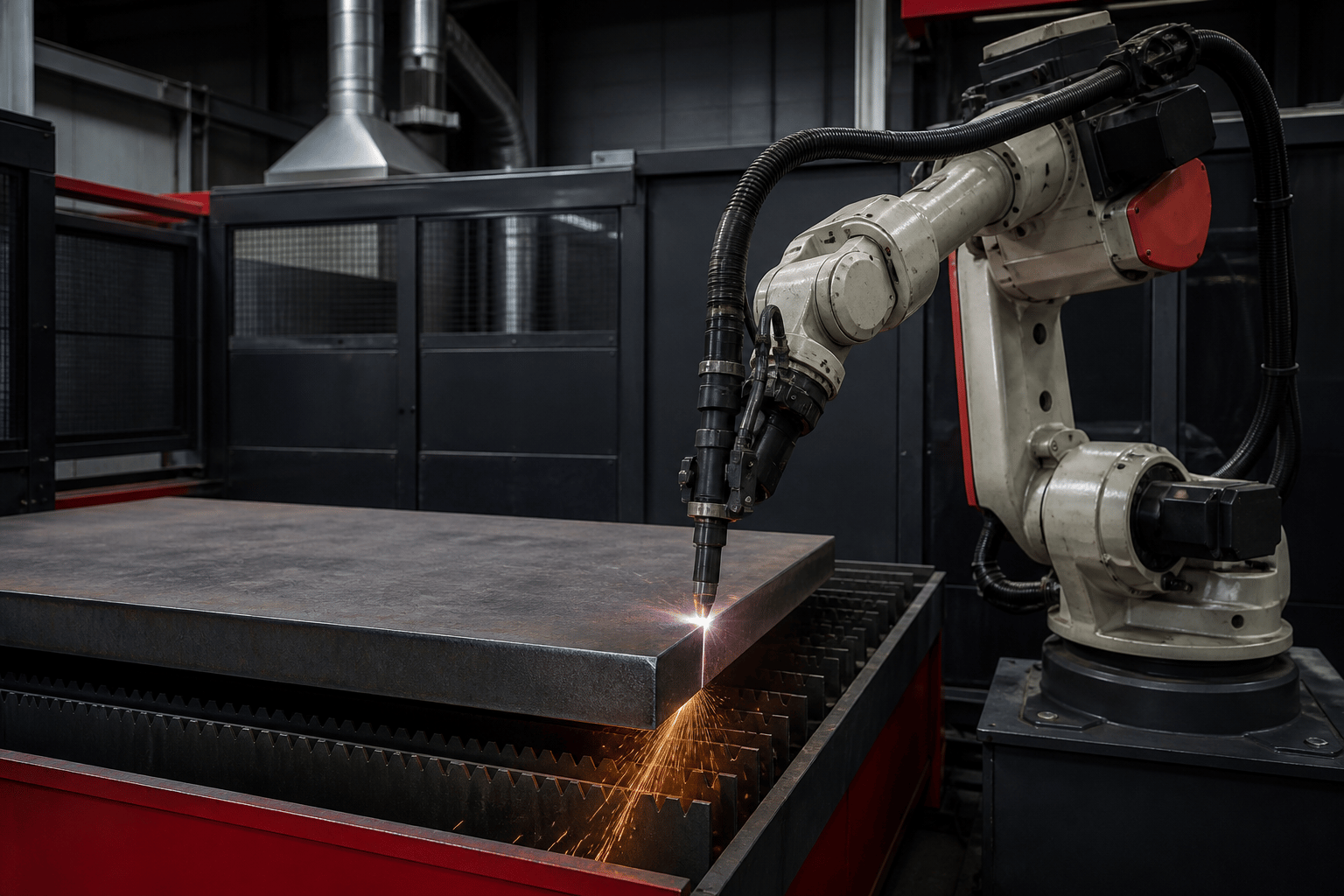
Cut paths, bevel angles, torch height and extraction are engineered around material geometry, thickness and downstream operations.
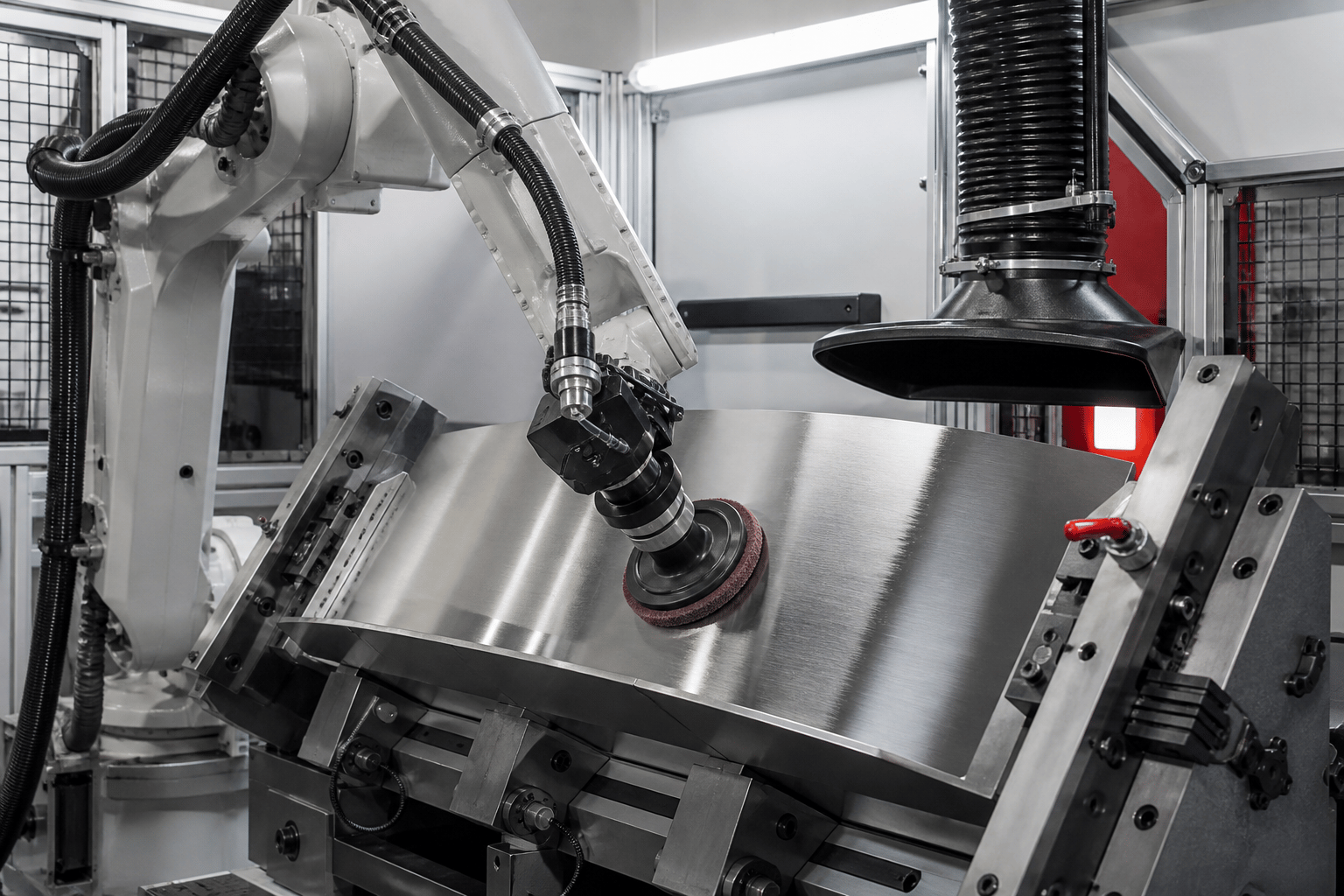
Tooling, contact force, robot posture and dust extraction are configured around the material and target surface finish.
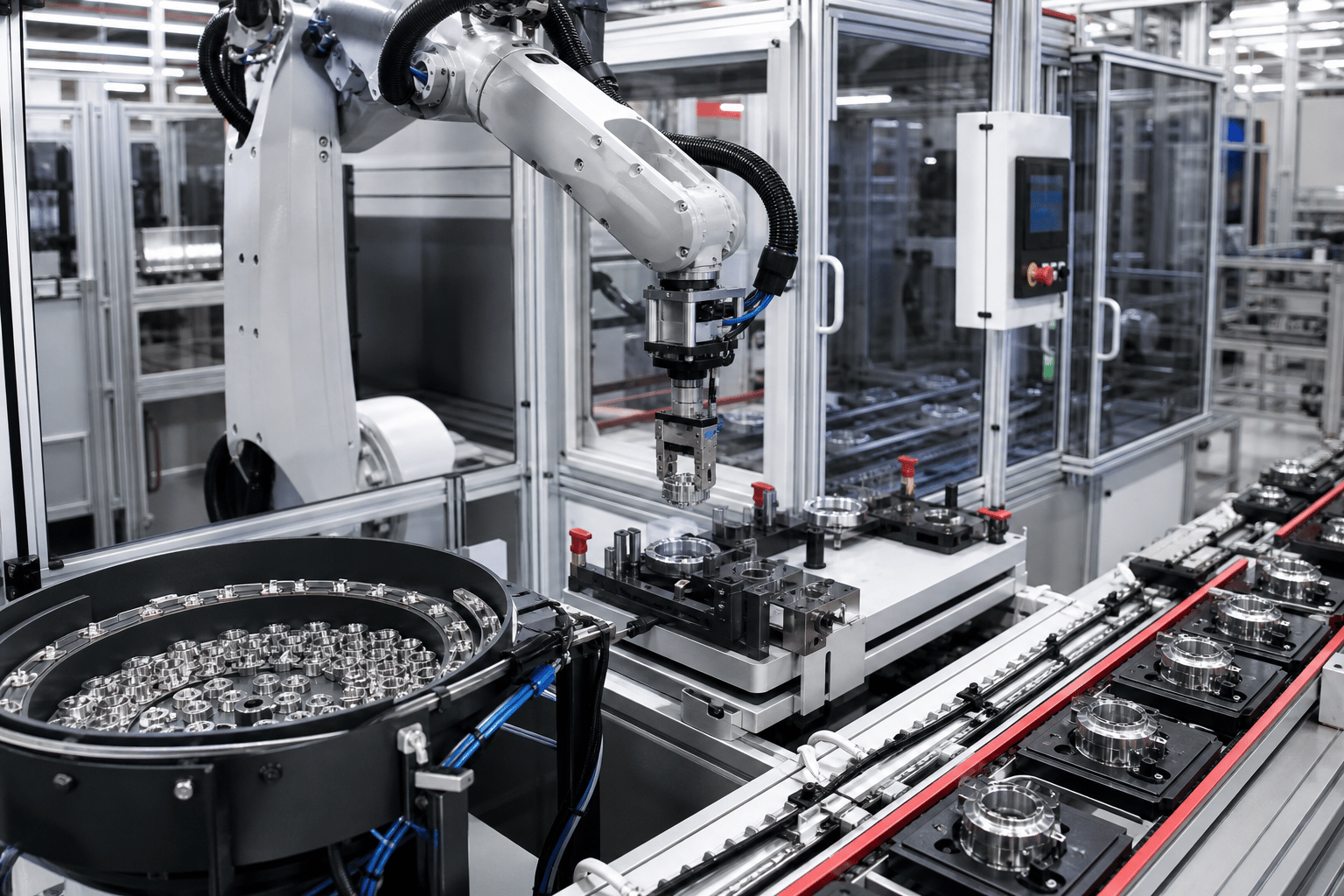
Feeders, fixtures, grippers and sensors are connected into one cell based on part geometry, assembly accuracy and supply method.
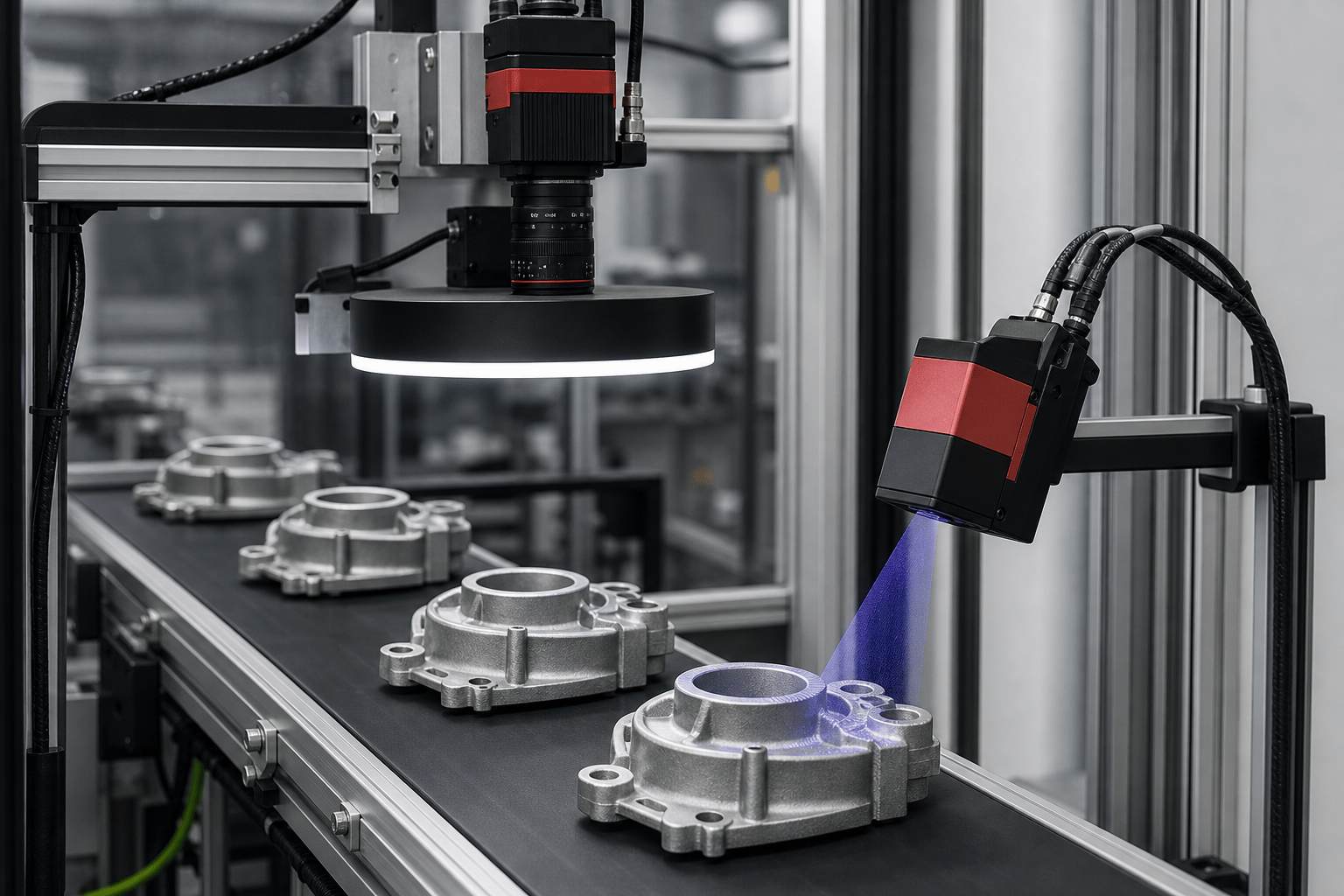
Cameras, lenses, lighting and 3D sensors are selected to capture position, shape and height data at the required accuracy.
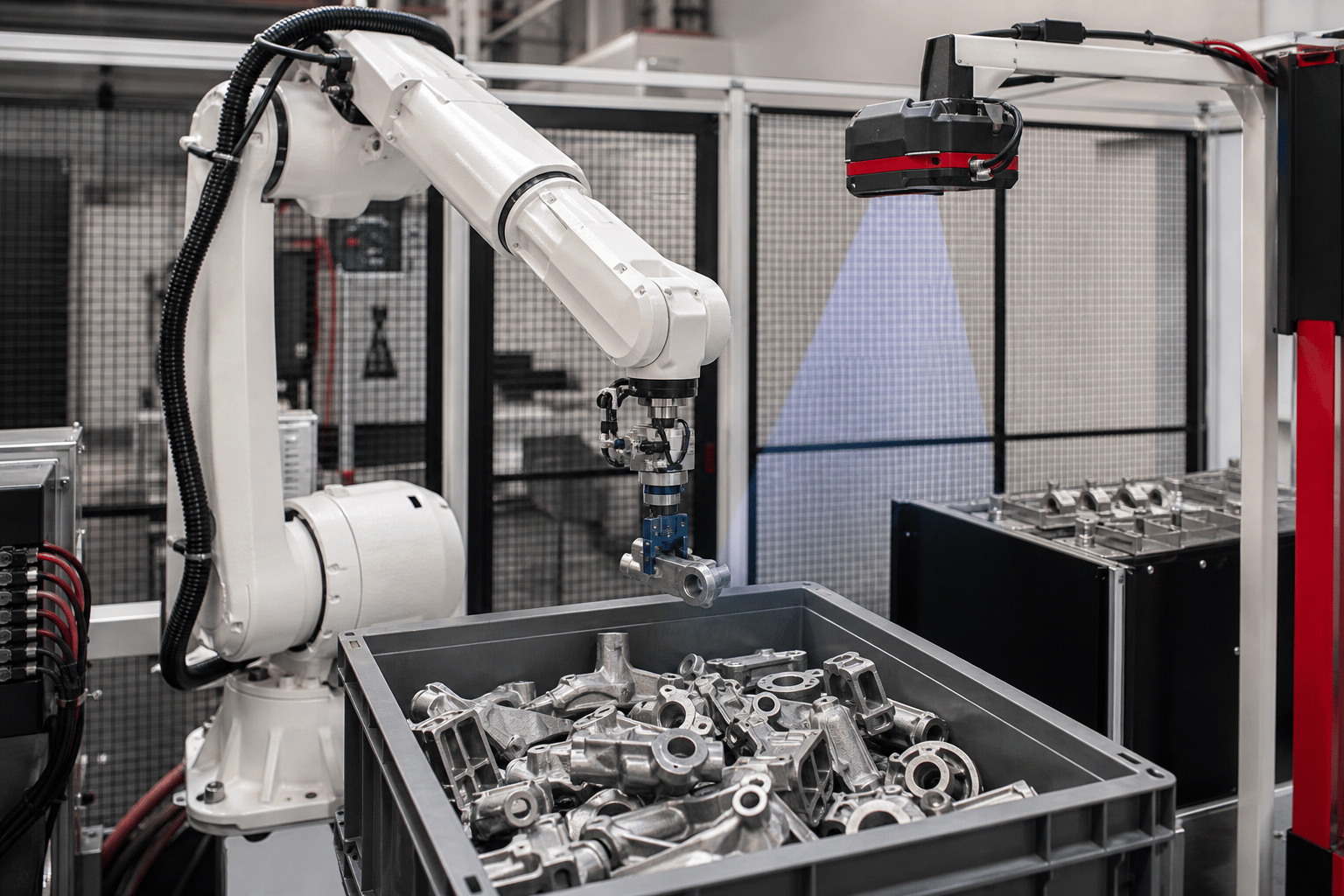
Vision coordinates are calibrated to the robot frame so randomly oriented parts can be located, oriented and picked reliably.
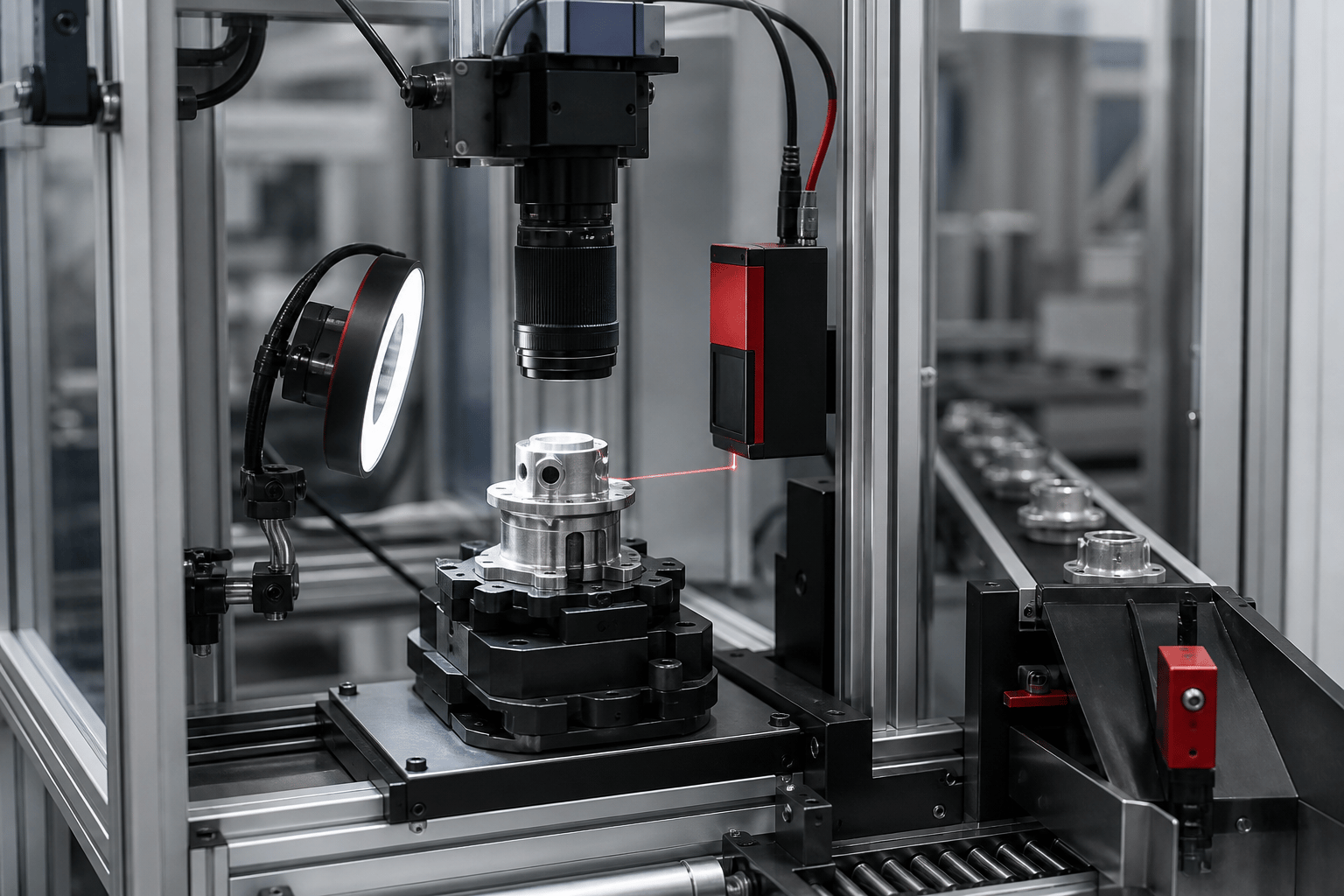
Dimensions, surface defects and assembly state are automatically evaluated and linked to traceability and sorting processes.
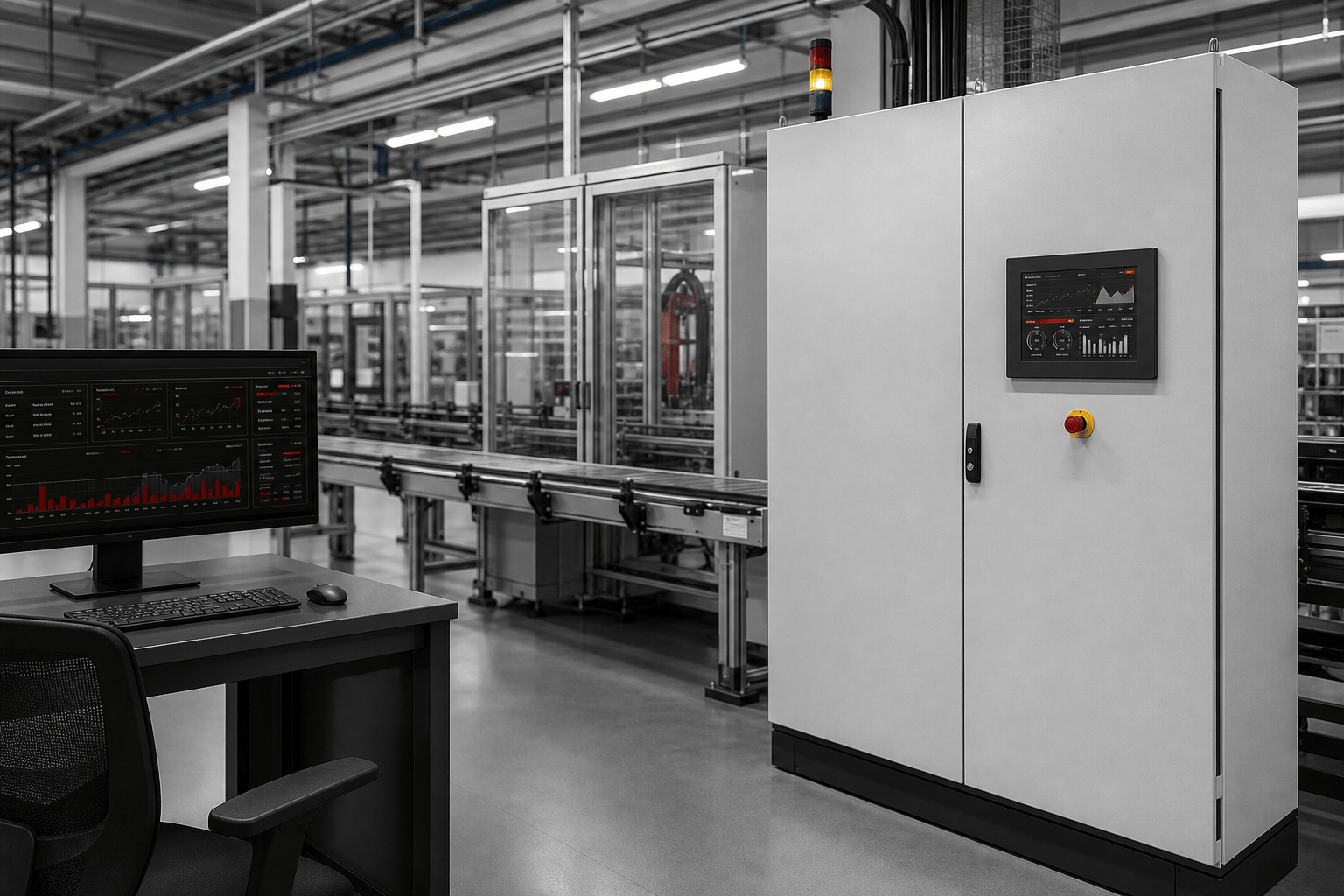
PLC, HMI, motion, safety networks and production data are connected for integrated control and operational visibility.
SYSTEM DESIGN
Electrical and control design defines how the system operates, while mechanical and hardware design defines how it is built. IIEMAC develops both as one automation architecture.
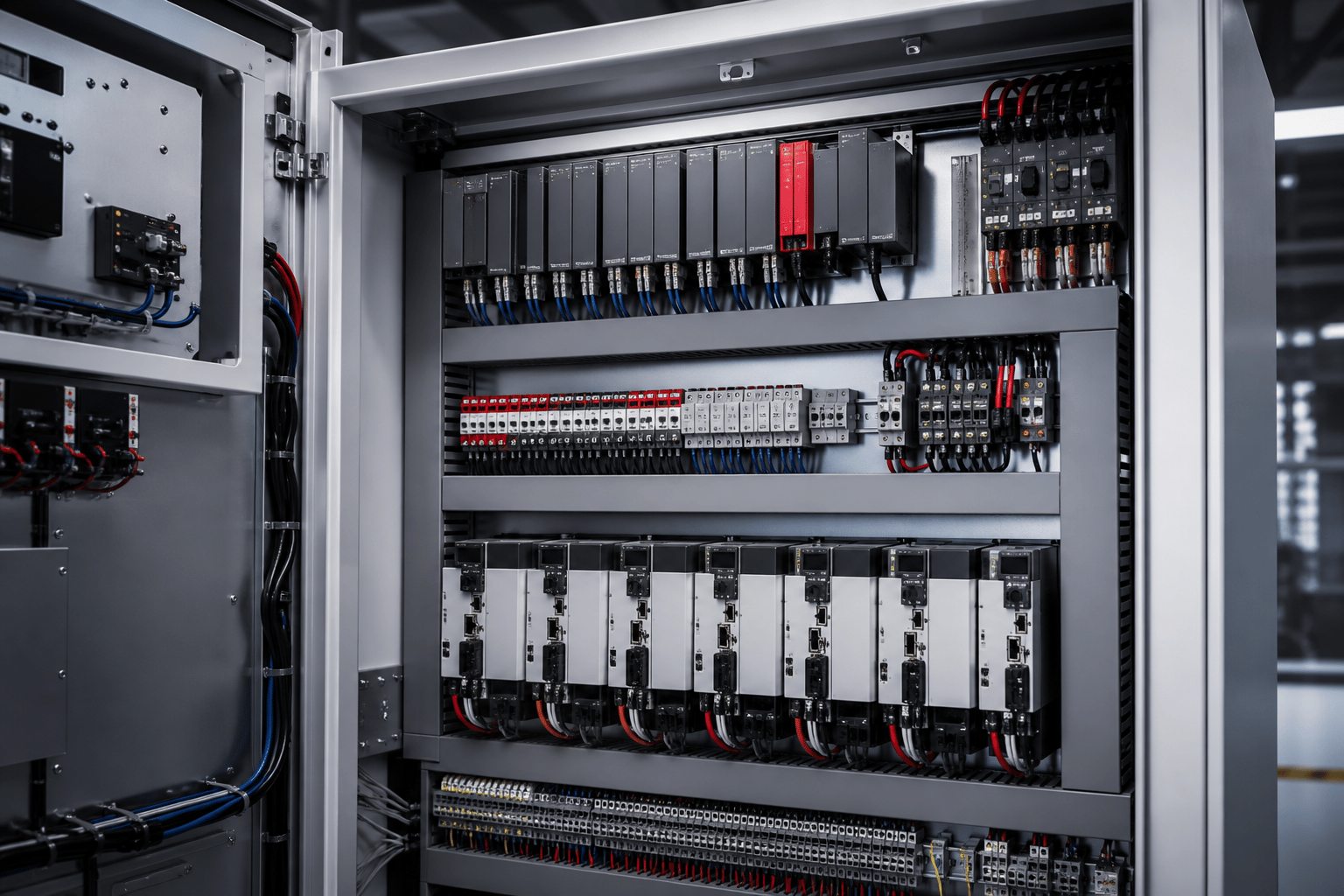
Power distribution, control panels, I/O, safety circuits, networks and interlocks are designed around the operating requirements of the process.
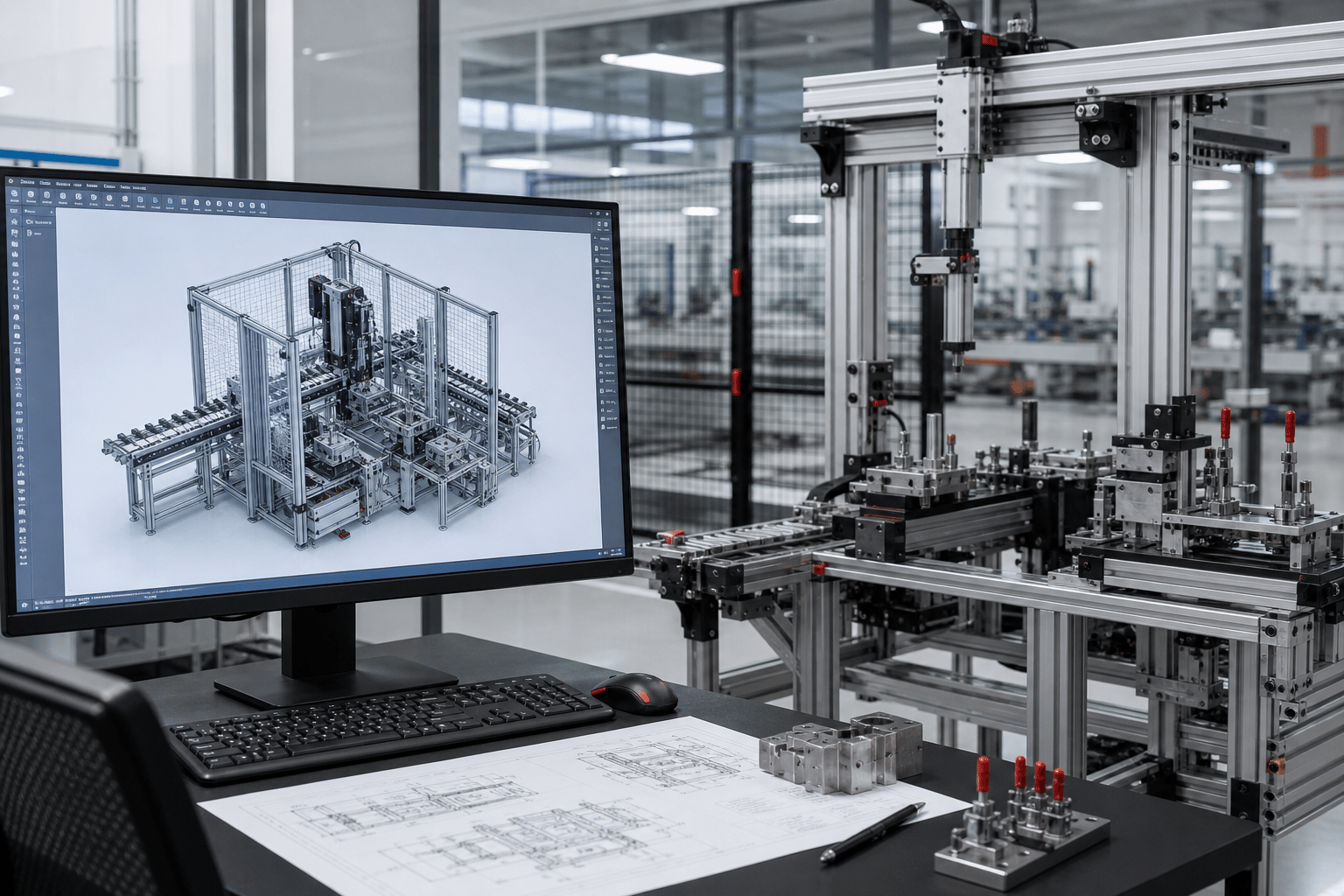
Equipment layout, frames, robot grippers and end-of-arm tooling (EOAT), fixtures, safety fencing and maintenance access are designed around real installation conditions.
INTEGRATED ENGINEERING
IIEMAC designs around each customer's process conditions and production targets. Electrical, control, mechanical and hardware design connect PLC, robotics, vision and software into a production-ready automation system.
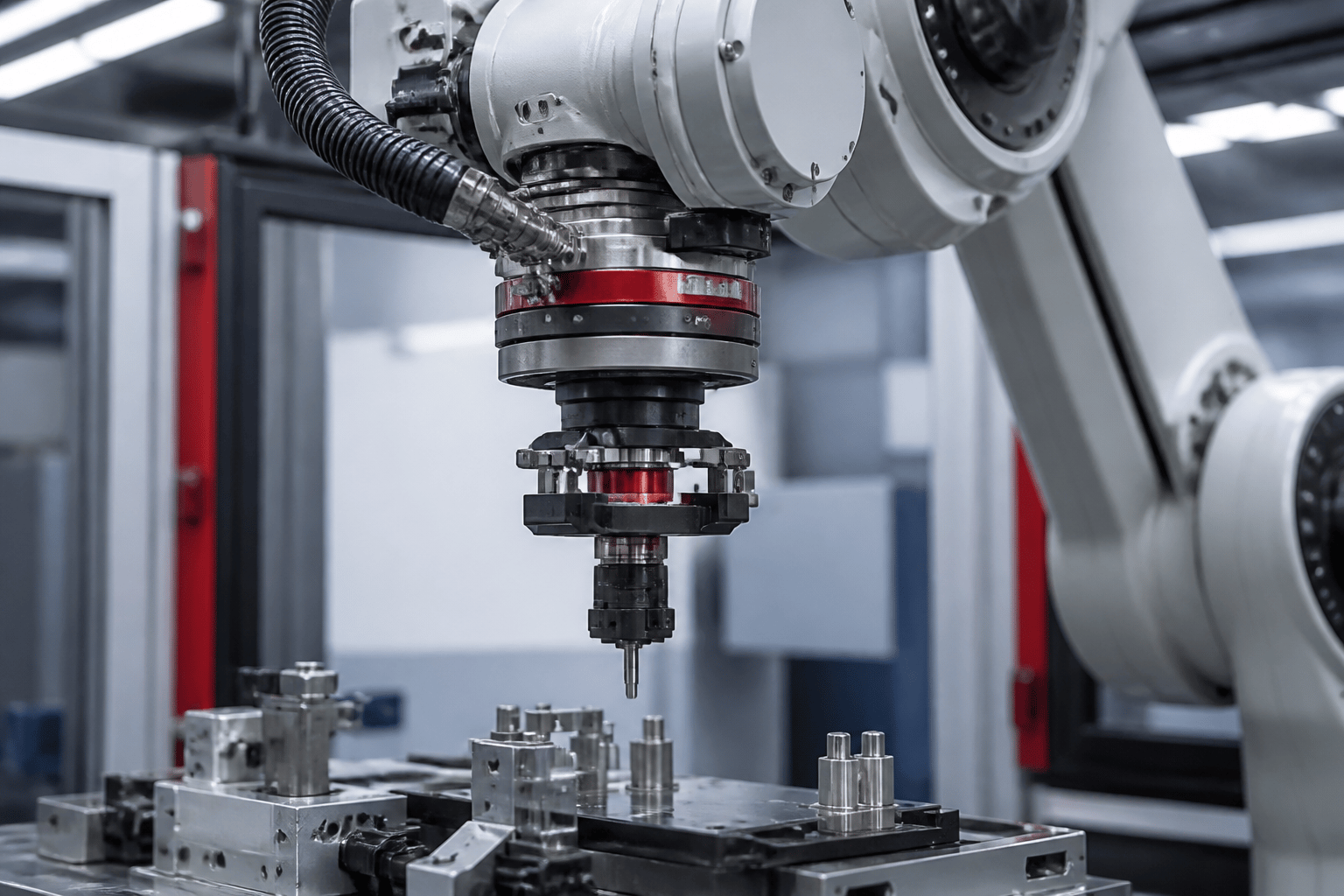
Robotics
We analyze process conditions and production targets, select the right industrial or collaborative robot, and integrate tooling, jigs and peripheral equipment into one automation cell.
Integrated ApplicationFrom process analysis and robot selection to mechanical and electrical design, programming, installation and commissioning, we deliver a consistent engineering workflow.
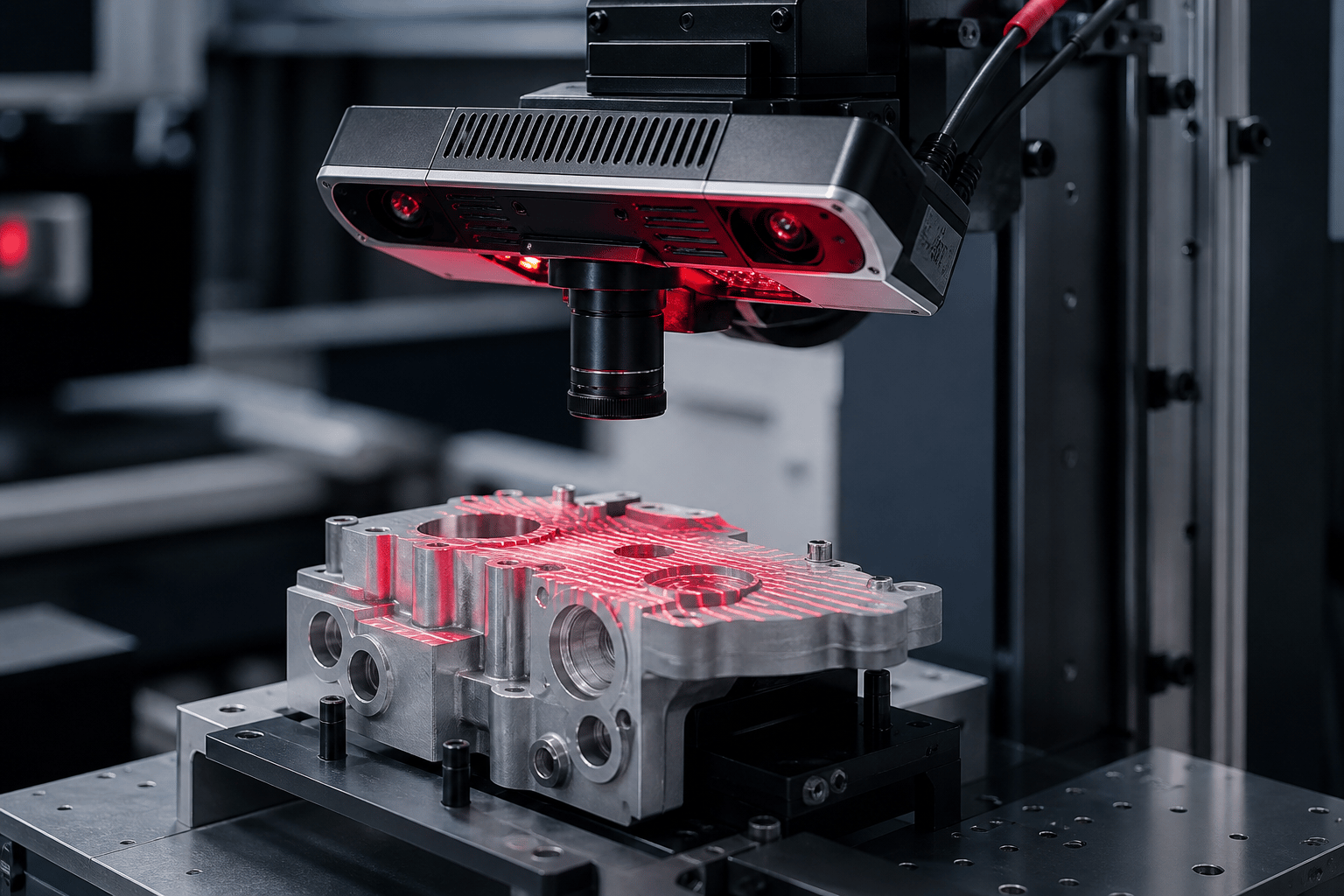
Vision & Inspection
We apply 2D·3D vision to inspection, measurement and robot-guidance processes that recognize product position, shape and condition.
Integrated ApplicationCamera and lighting selection, imaging validation, coordinate calibration, decision logic and production-equipment communication are configured together.
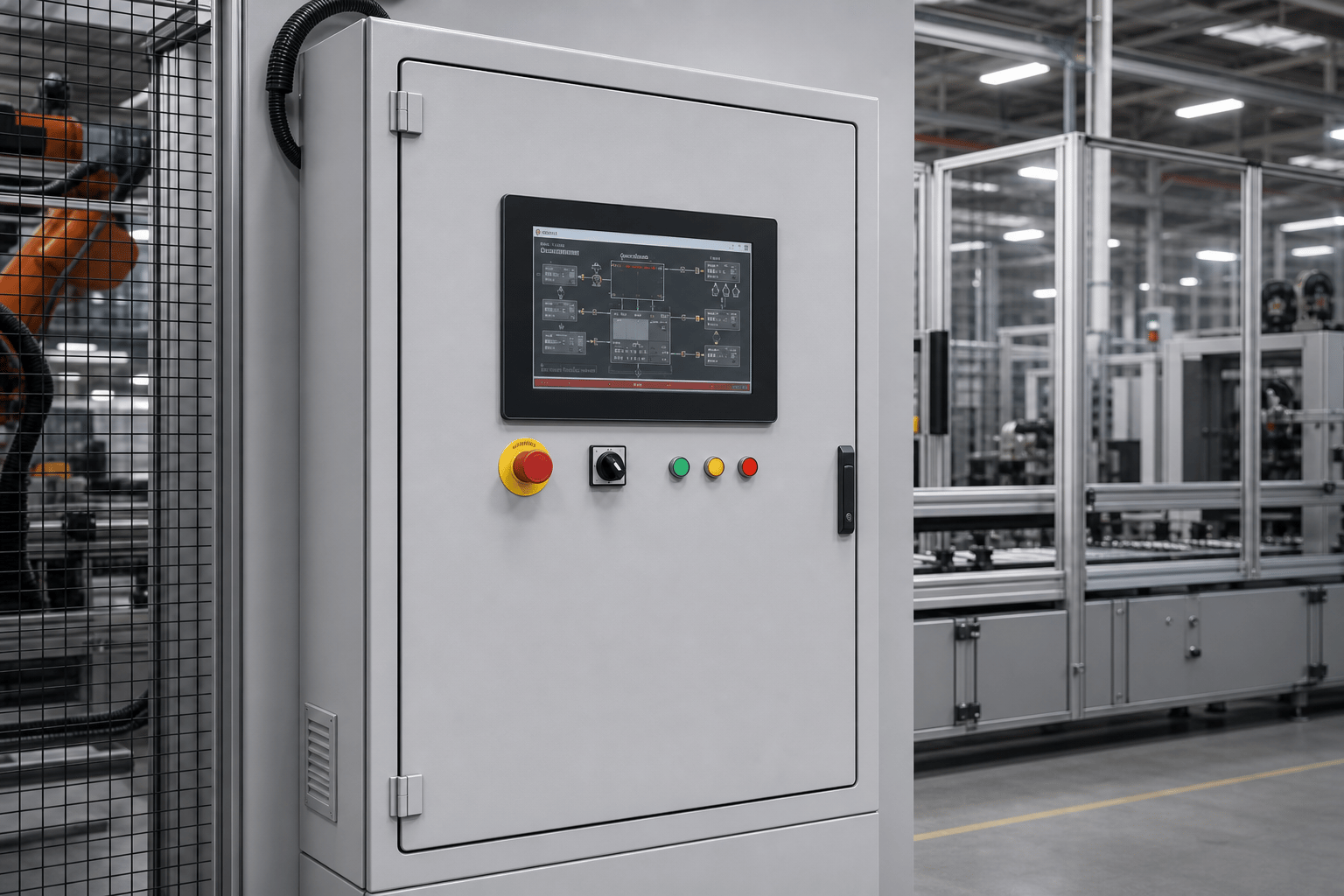
Control & Motion
PLC, motion, HMI and safety control integrate operating signals and process sequences across robots and production equipment.
Integrated ApplicationElectrical design, control-panel fabrication, PLC and HMI programming, equipment communication and interlock validation create a stable operating environment.
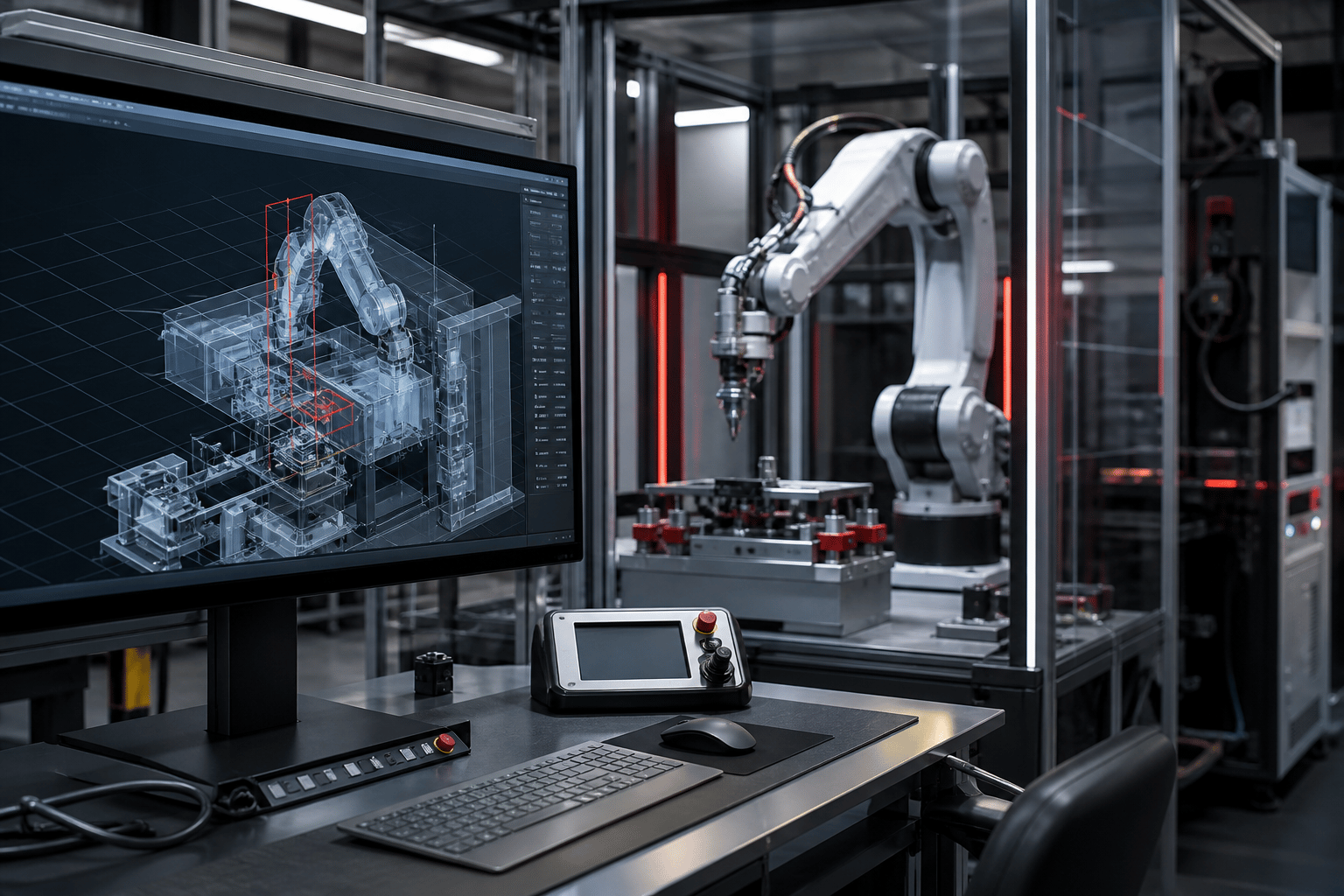
Robot Digital Engineering
CAD/CAM data and robot simulation are used to evaluate robot feasibility, collisions, paths and cycle time before physical production begins.
Integrated ApplicationRobotmaster-based offline programming reduces on-site teaching and validates complex machining and cutting paths in advance.
START A PROJECT
We review your production process and requirements to define a suitable system architecture.